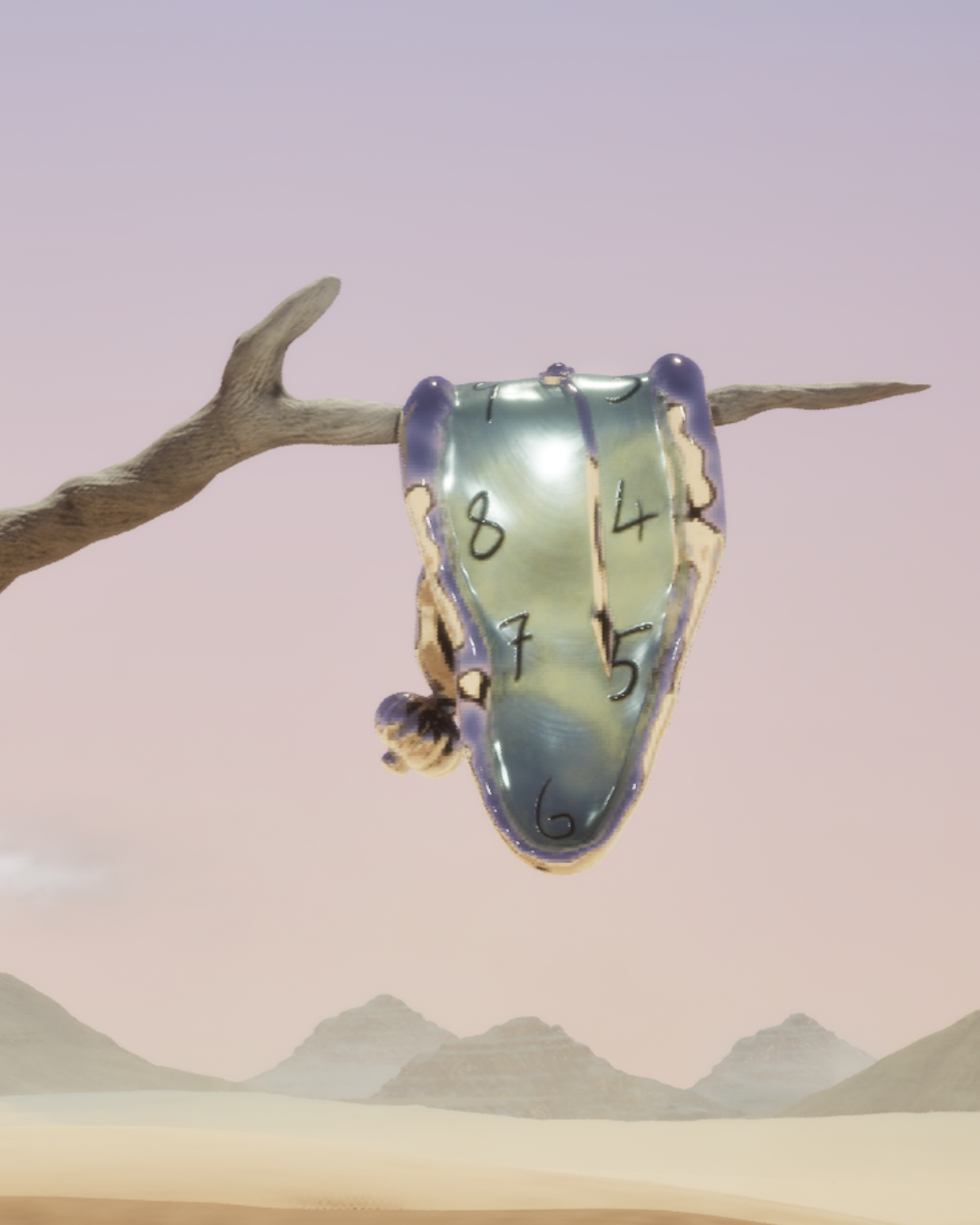
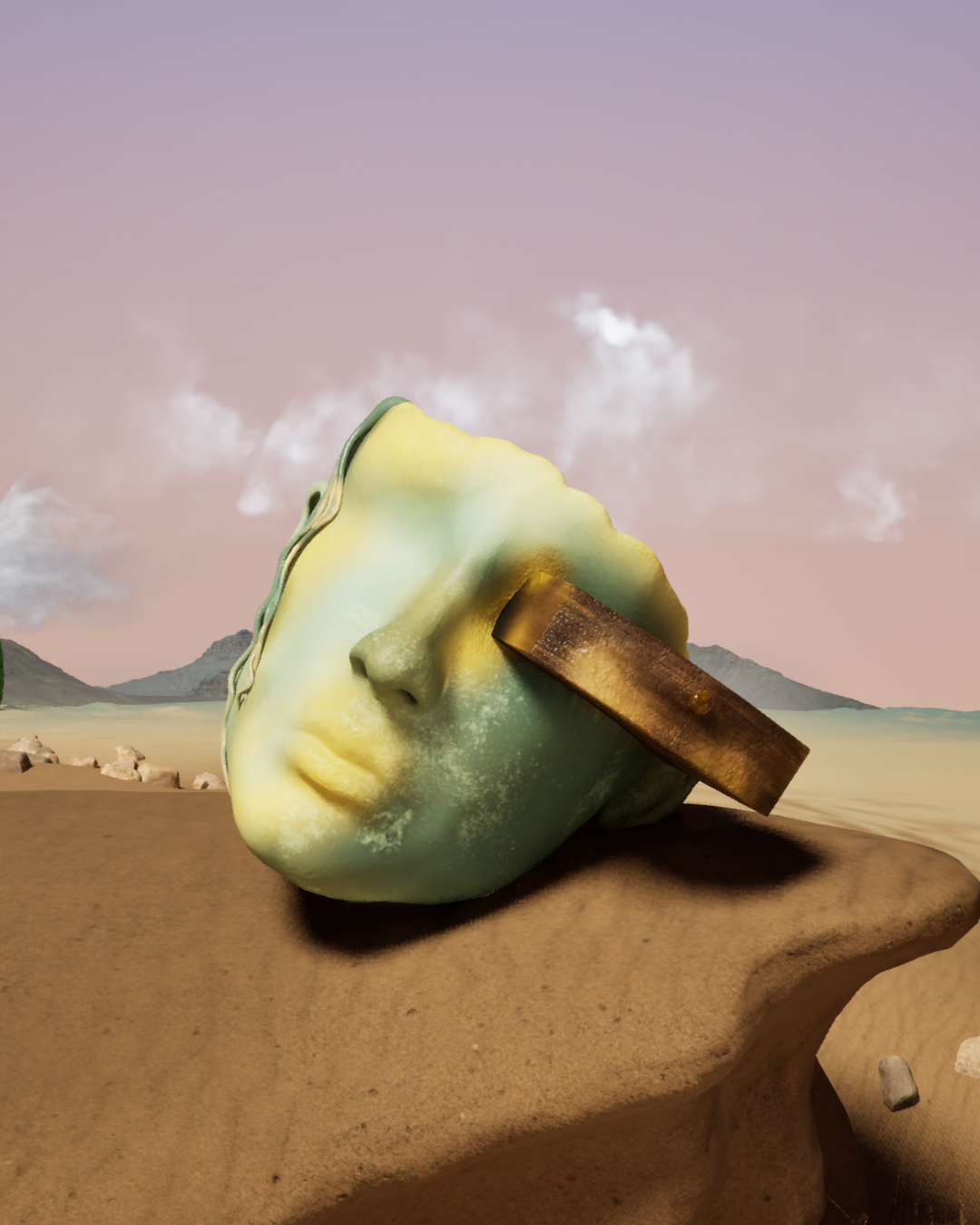
Learn more about the meaning behind some of Salvador Dalí’s most iconic symbols that inspired those featured in The Endless Garden experience.
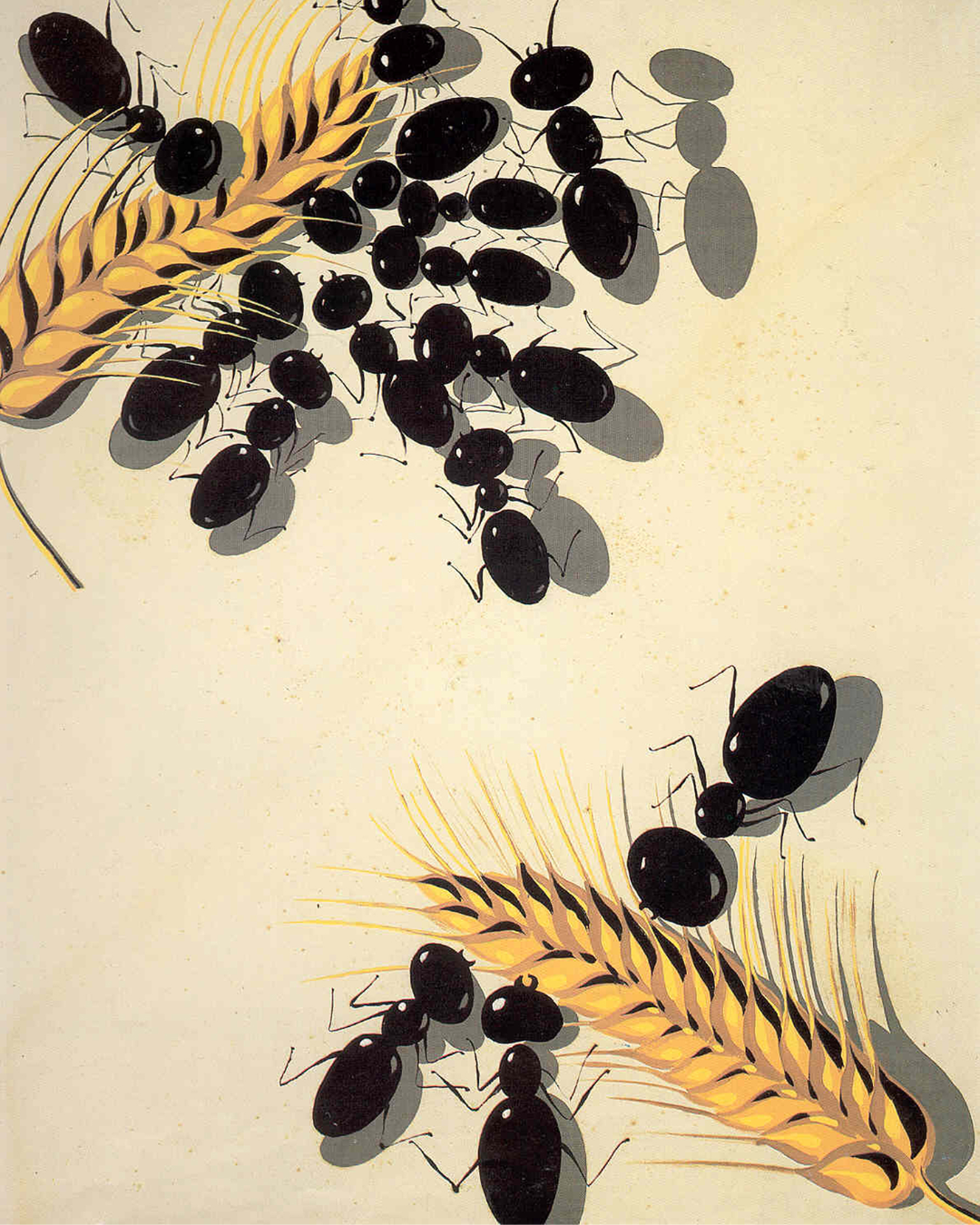
Ants
Salvador Dalí’s ants symbolize change, time and the cycle of life. Crawling across everyday objects, they remind viewers of nature’s constant motion and transformation. Both curious and unsettling, the ants reflect Dalí’s fascination with life’s fragility and the beauty that can emerge from decay and renewal.

Bread
Dalí’s bread symbolizes nourishment, faith and spiritual devotion. Both sacred and familiar, it connects everyday life with deeper meaning. For Dalí, bread represents life’s sustenance and purity—a recurring symbol of creation, generosity and the connection between the physical and the spiritual.


Drawers
Dalí’s drawers symbolize access to the hidden chambers of the subconscious. Inspired by Sigmund Freud, they represent secrets, memories and repressed desires. Often depicted as slightly ajar, the drawers hint at revelation—exposing the tension between curiosity and forbidden knowledge.

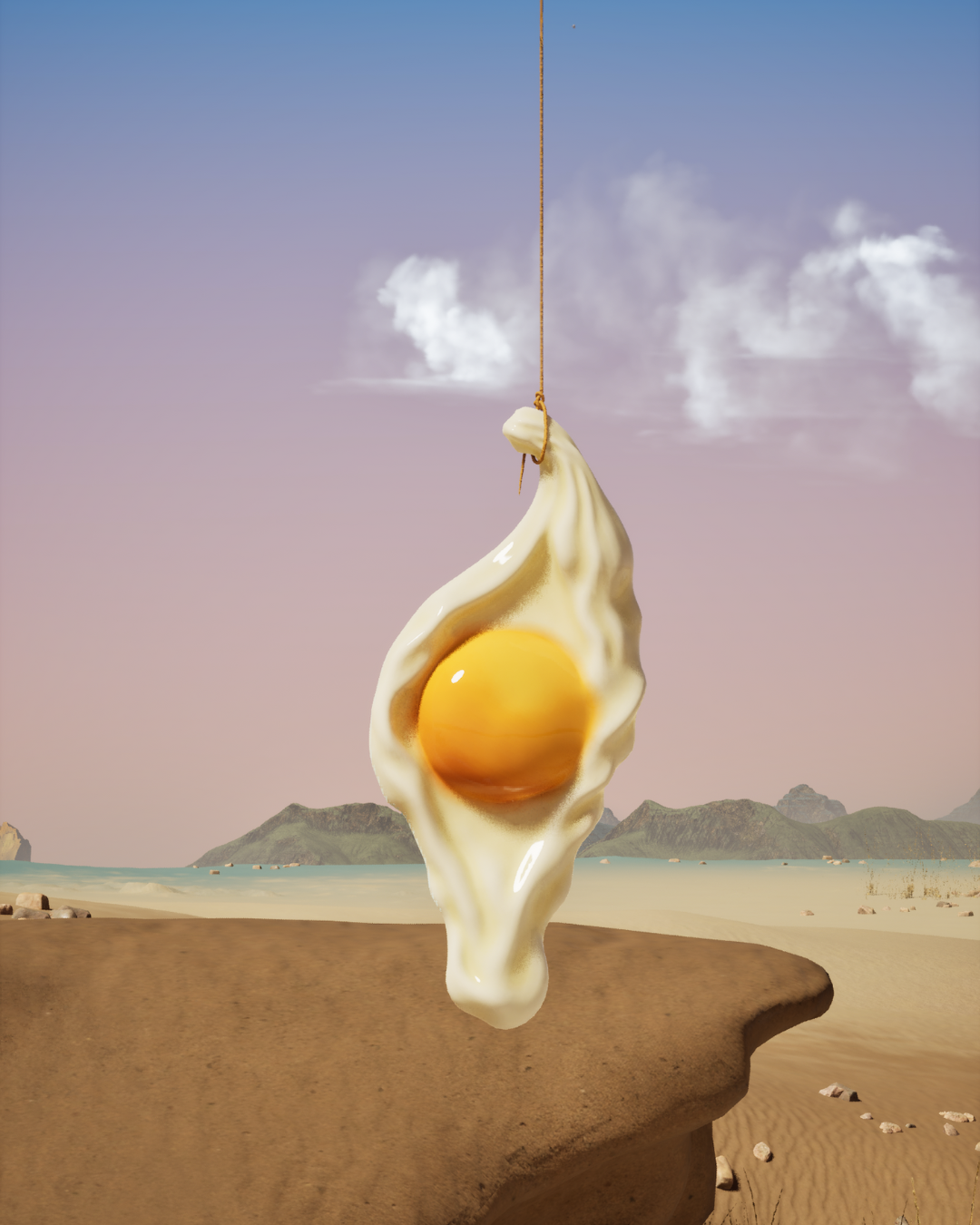
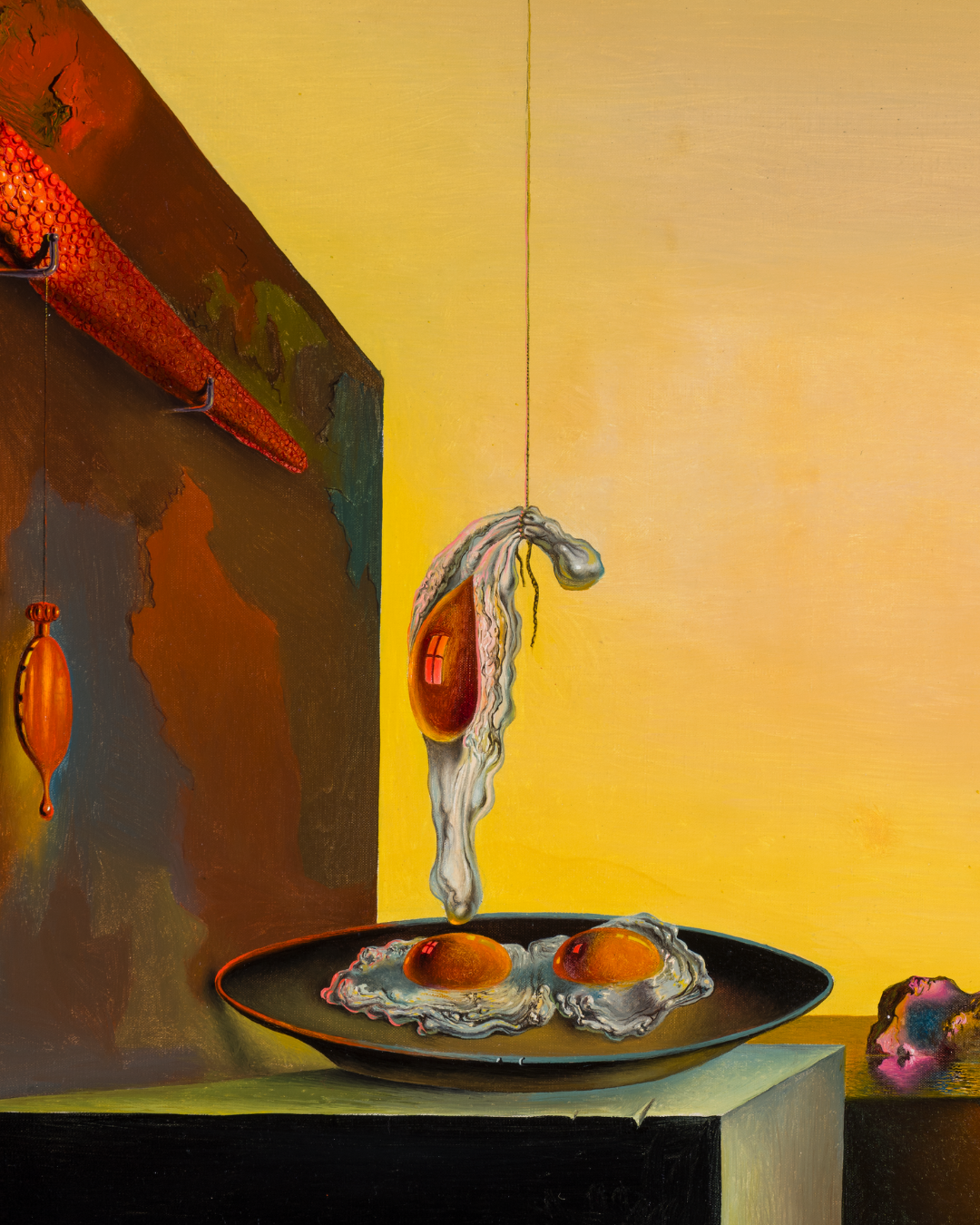
Egg
Dalí’s egg symbolizes new beginnings, balance and the cycle of life. With its hard shell and soft center, it represents both strength and gentleness. Connected to themes of creation and purity, the egg reflects Dalí’s fascination with growth, transformation and the mystery of where life begins.
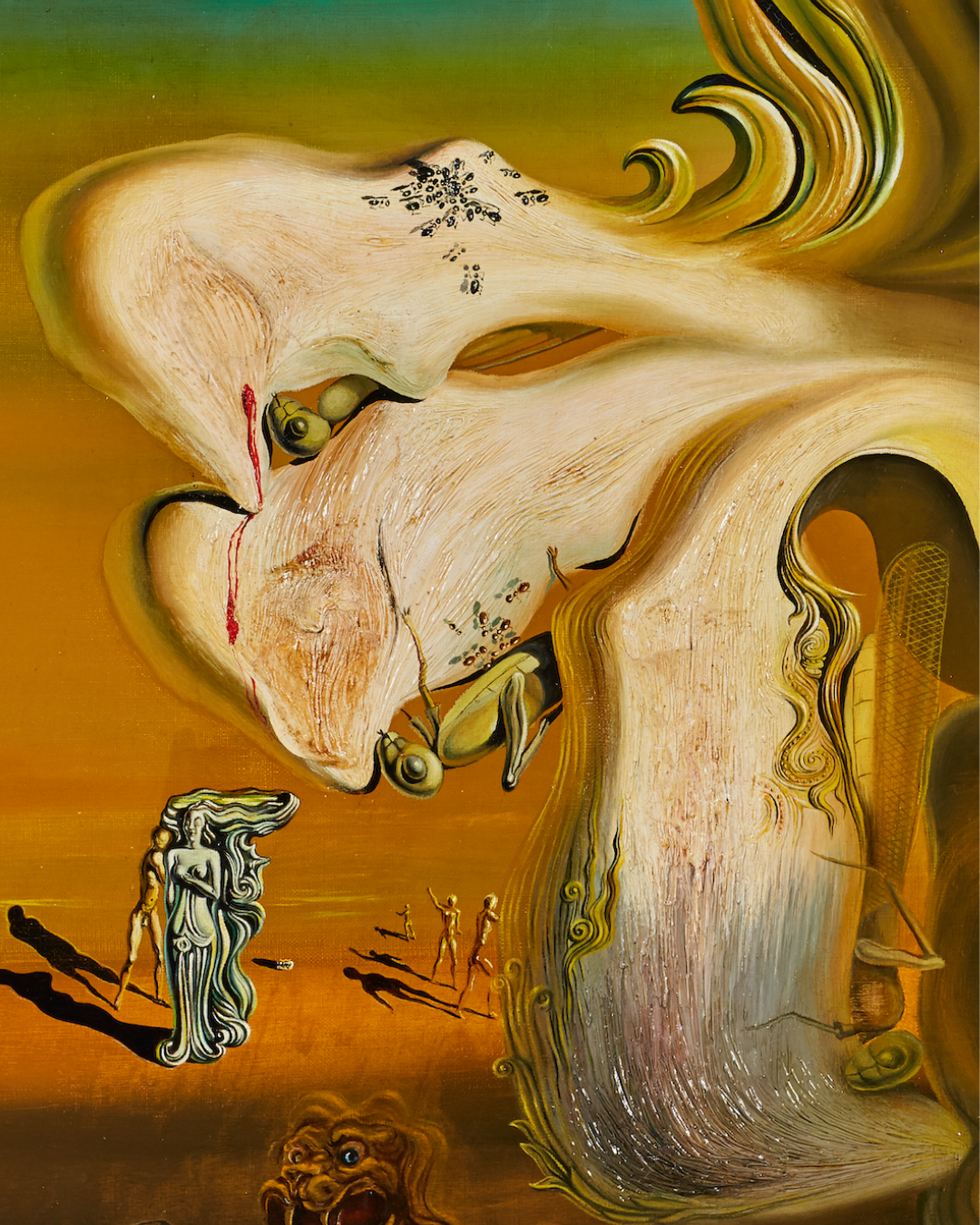
Grasshopper
For Dalí, the grasshopper wasn’t just an insect—it was a powerful symbol from his imagination. Inspired by a fear he had as a child, the grasshopper appears in his art as a strange and unsettling creature. It represents feelings of fear and fascination, showing how something that frightens us can also capture our curiosity. Through this symbol, Dalí invites us to explore the mix of wonder and unease that lives in the human mind.

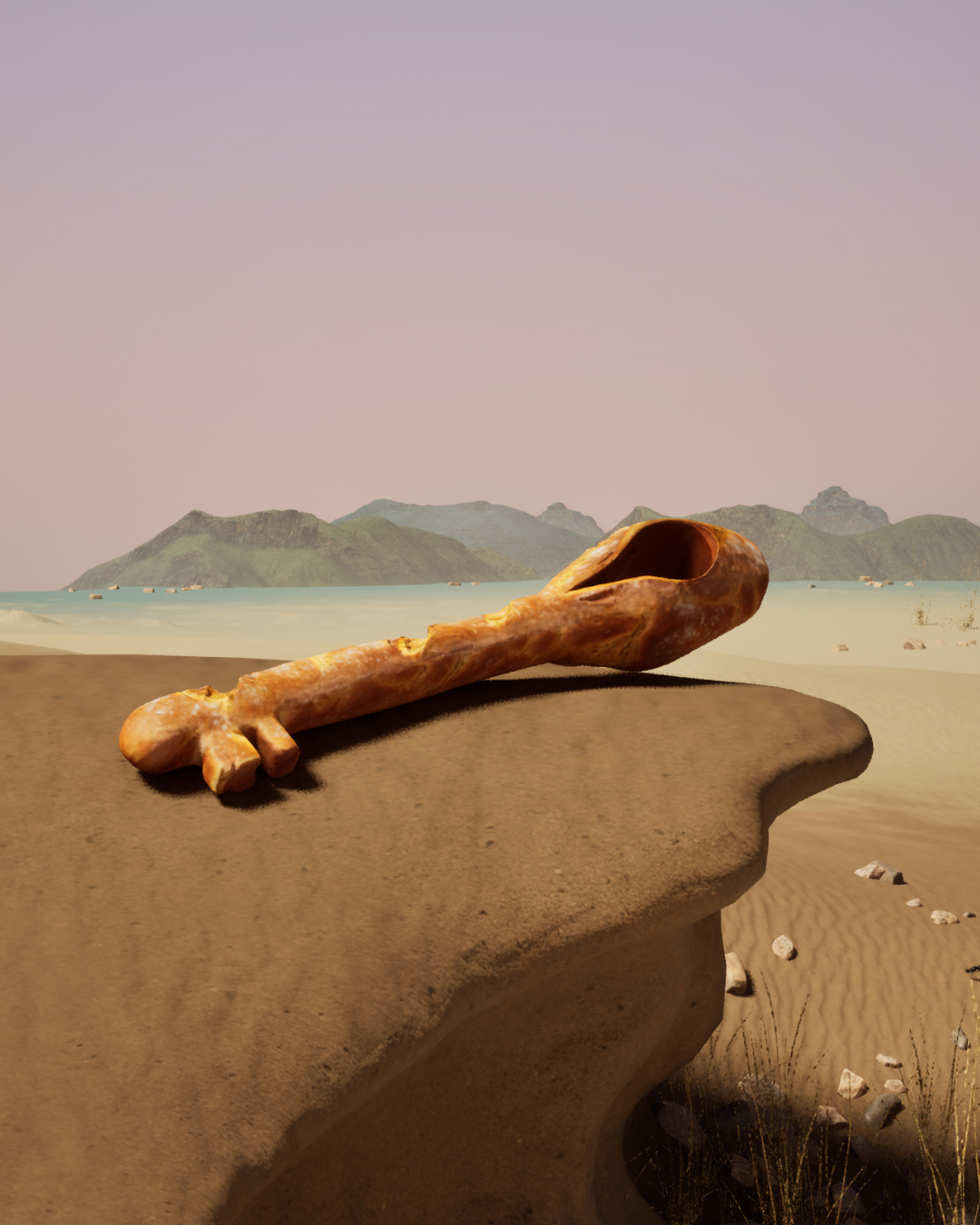
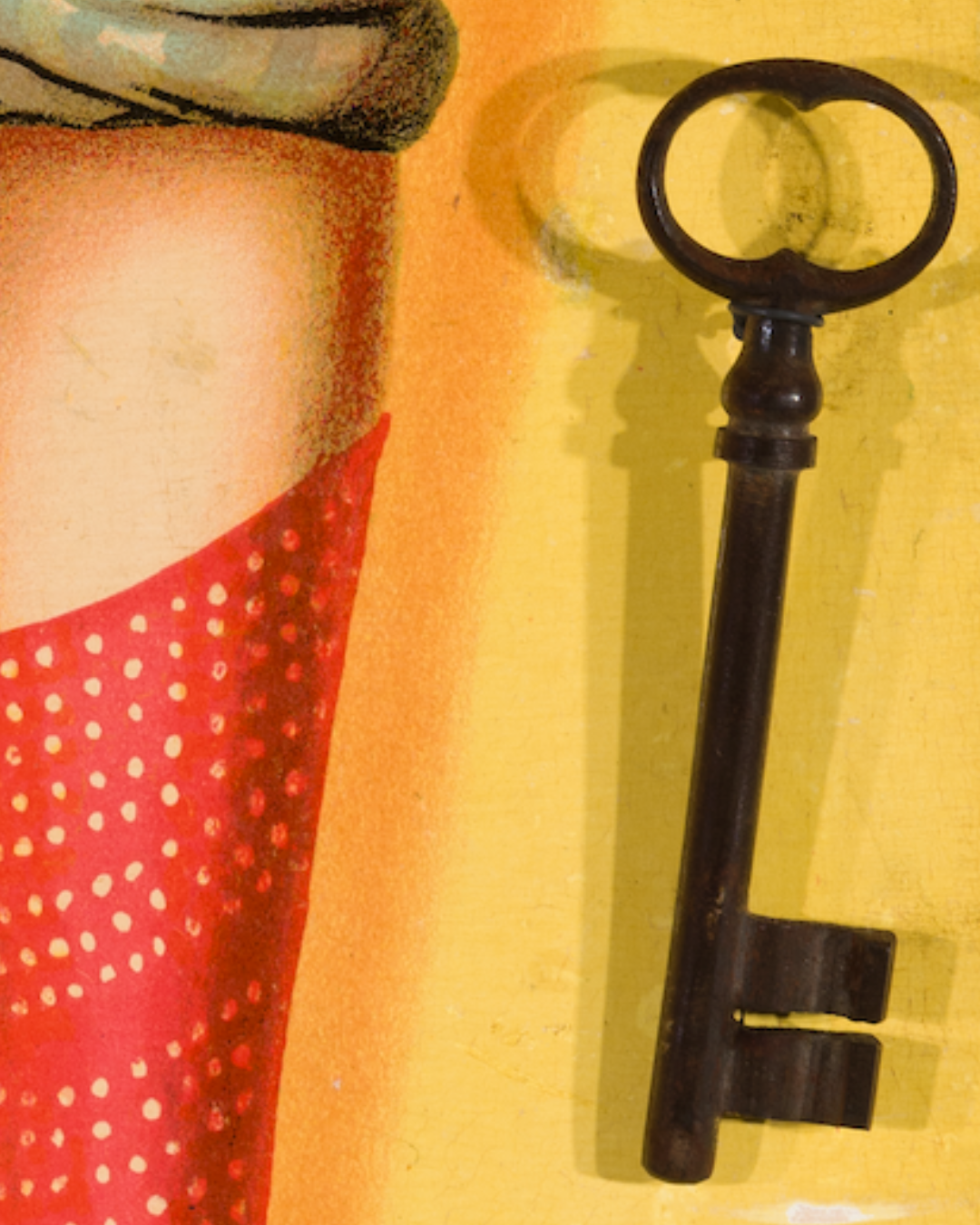
Key
Dalí’s key symbolizes unlocking the hidden realms of the mind and imagination. It represents access to dreams, memories and the subconscious—a tool for revealing inner truths and freeing thought from rational constraint.
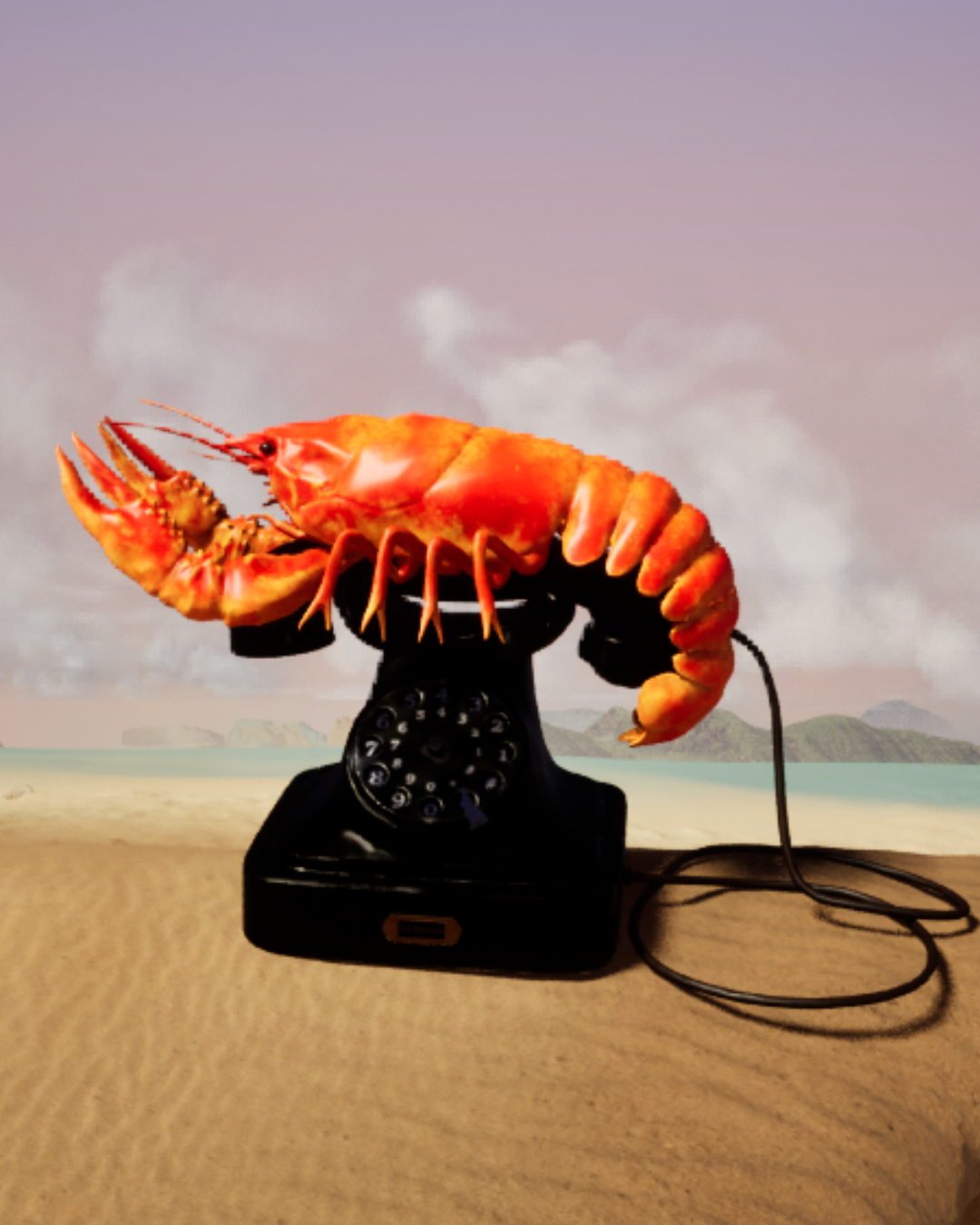
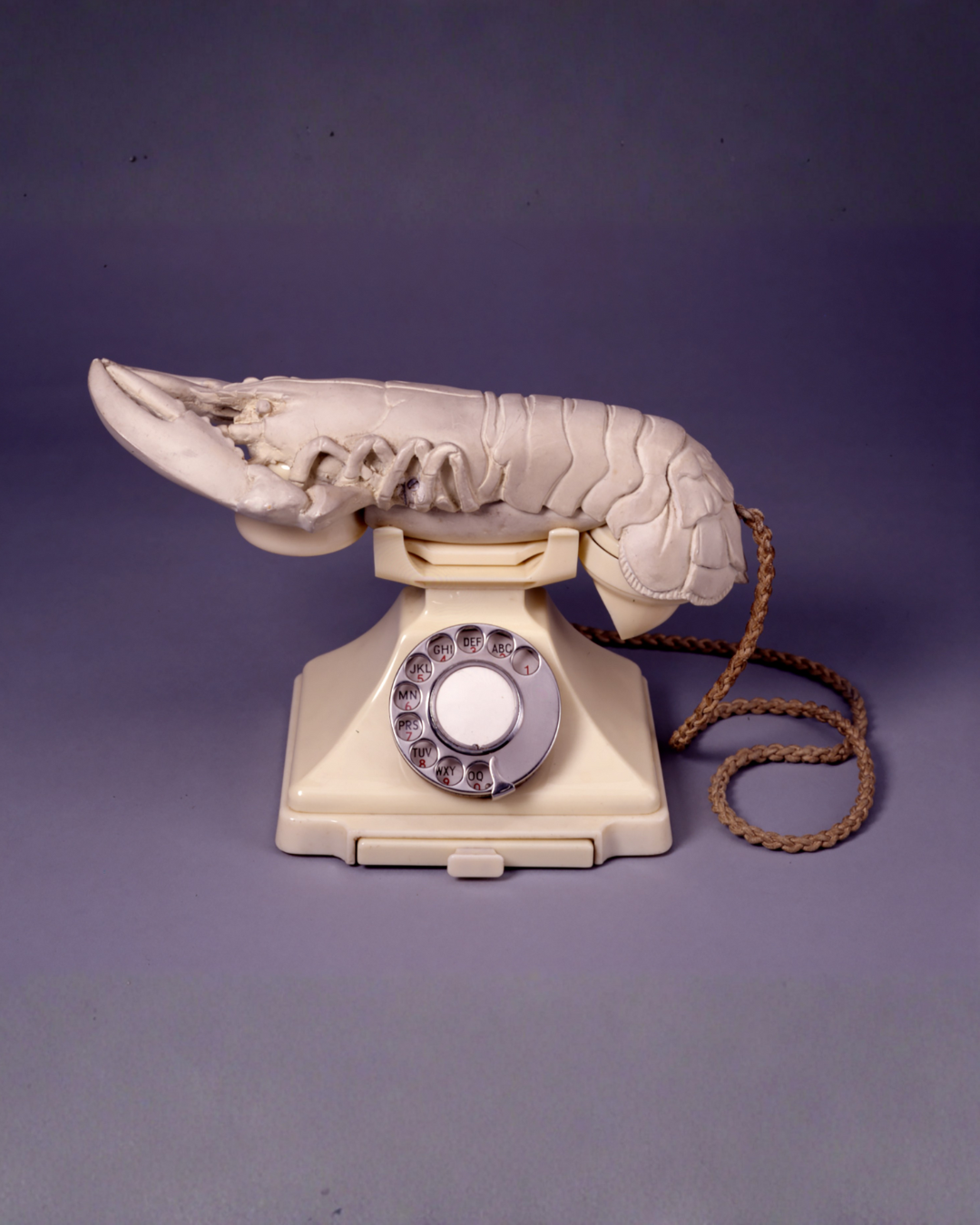
Lobster
Dalí’s lobster symbolizes a playful contrast—a hard shell protecting a soft interior. Reflecting Dalí himself, it represents sensitivity hidden beneath a bold exterior. Both humorous and imaginative, the lobster shows how Dalí turned his inner feelings into a creative and surreal expression of self.
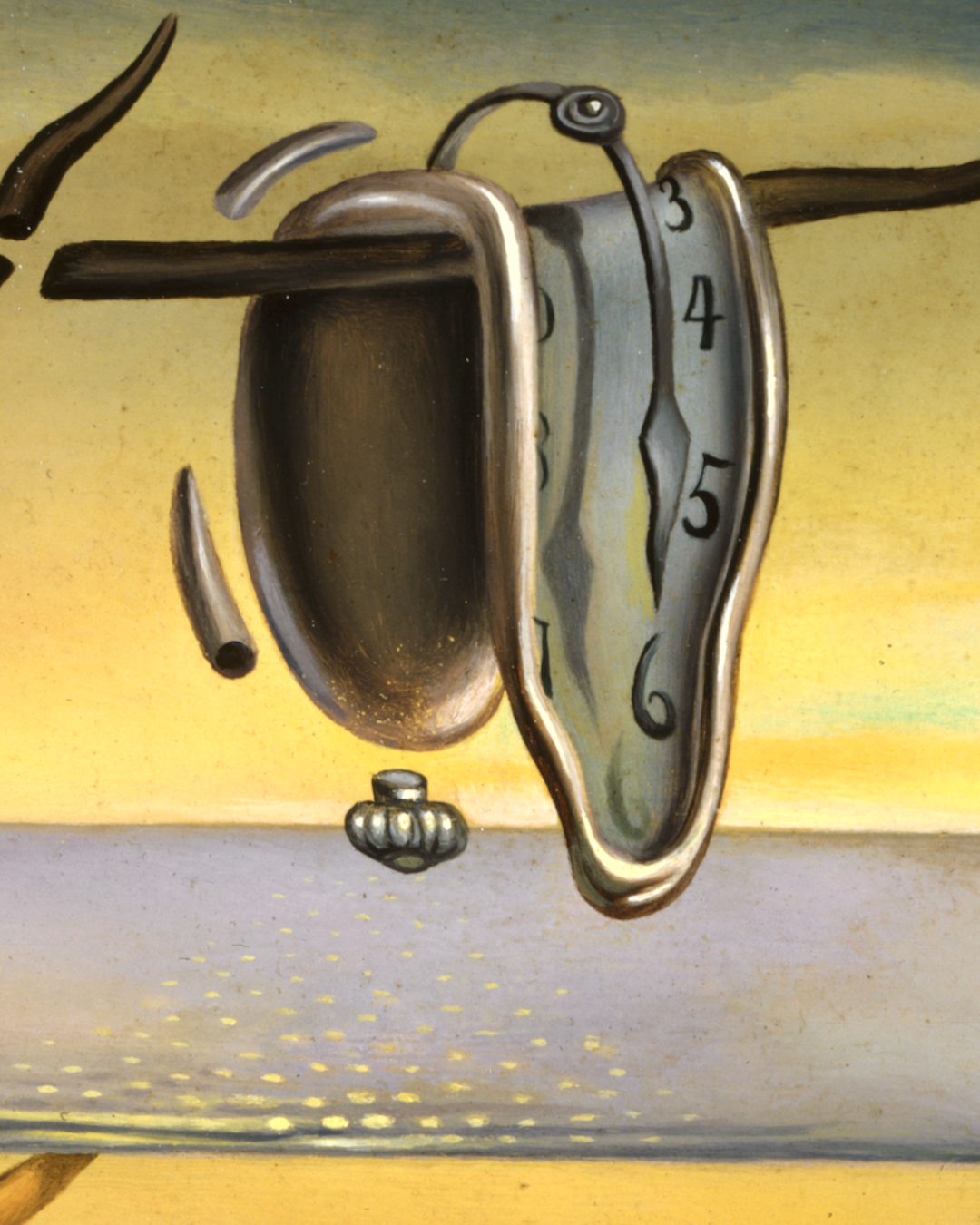
Melting Watches
Dalí’s melting watches symbolize the fluidity of time and the instability of reality. Its melting form defies logic, suggesting that time bends under emotion and memory. Blurring dream and reality, it reflects Dalí’s belief that time is not rigid but psychological and endlessly elastic.