Lecture: Dorothea Tanning
April 16 @ 6:00pm – 7:00pm
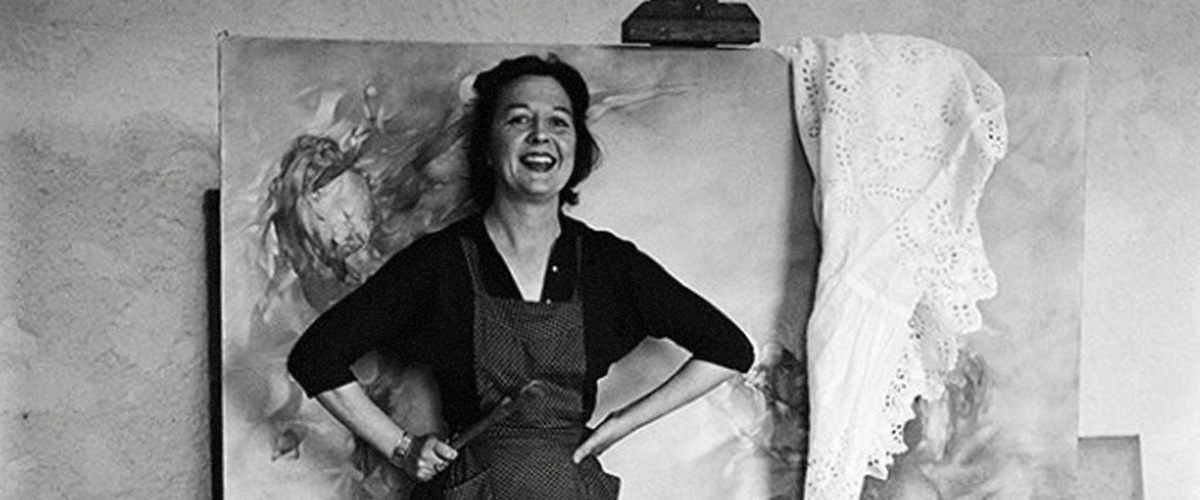
Join us at The Dalí for an evening exploring the extraordinary life and imagination of one of Surrealism’s most compelling figures, Dorothea Tanning.
Art historian and curator Alyce Mahon will present her latest book, Dorothea Tanning: A Surrealist World, a groundbreaking study that reconsiders the history of Surrealism through the visionary work of Dorothea Tanning. Blending biography, art history, and visual exploration, this lecture offers a deeper look into Tanning’s enduring impact on Surrealism and modern art.
Guests will have the opportunity to engage with Mahon during a Q&A and learn more about the ideas behind this important new publication.
Location: The Dalí Museum’s Will Raymund Theater
This event is free with limited capacity. An event ticket is required for entry.
Gallery access is not included.
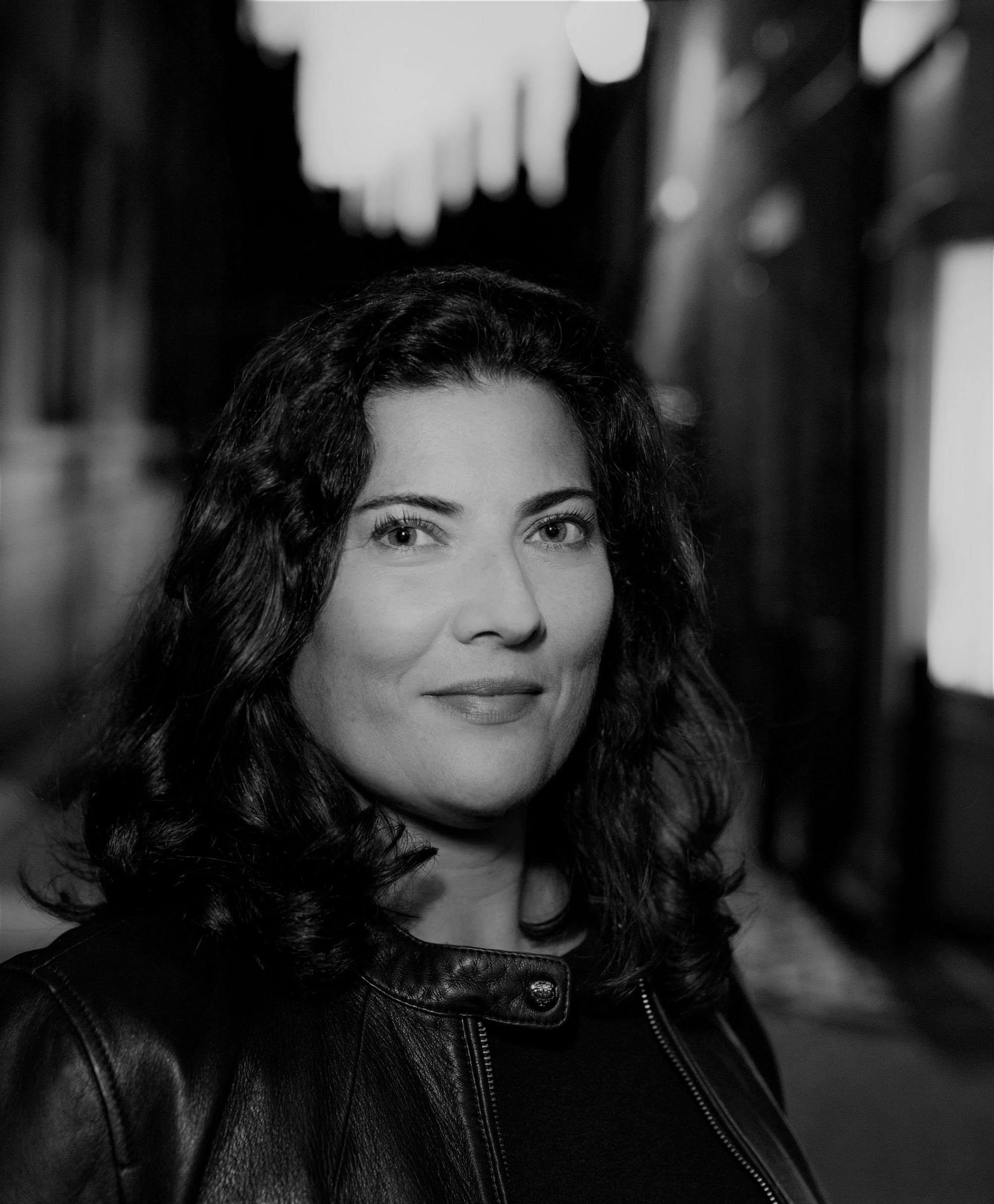
Alyce Mahon MA, PhD
Alyce Mahon specialises in Modern and Contemporary Art History and Theory. She studied the History of Art & Architecture and Modern English at Trinity College Dublin, graduating with a double first and gold medal for exceptional academic achievement. Awarded both Chevening and British Academy scholarships for doctoral studies she moved to London to pursue a PhD at the Courtauld Institute of Art. She received her doctorate in 1999 and took up her position at Cambridge in 2000 when she was also elected Fellow of Trinity College Cambridge.
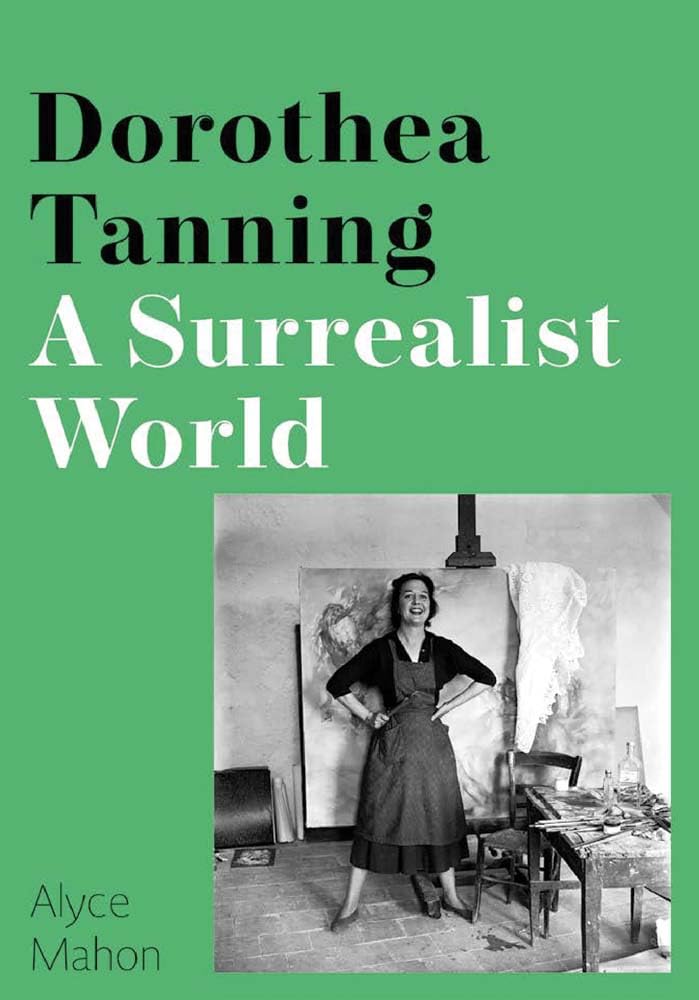
Dorothea Tanning: A Surrealist World
Born on the day of a hurricane in Galesburg, Illinois, Dorothea Tanning (1910–2012) would become a figure at the very heart of the avant-garde, among a close circle of contemporaries including Joseph Cornell, Max Ernst, Lee Miller and Man Ray. Her art and philosophical ideas reveal her transformative impact on post-war Surrealism, and her life story reveals how she skilfully navigated her role as a woman artist on the international stage. Alyce Mahon maps Tanning’s extraordinary seventy-year career―from Chicago and Arizona to Paris and Seillans, through to her final years in New York―and traces how these landscapes were reshaped into kaleidoscopic imagined worlds in her paintings, sculptures and writings.